09:00 - 19:00



-
 By: Admin
- 19 Dec 2025
Non-Emergency Medical Transportation vs. Ambulance, Rideshare, & Taxi — What’s the Difference?
When a patient needs transportation to a medical appointment, procedure, or discharge, choosing the right type of transportation matters. Many people assume a regular taxi, rideshare, or even an ambulance will work—but these services are designed for very different purposes.
This guide explains the key differences between Non-Emergency Medical Transportation (NEMT), ambulance services, rideshare, and traditional taxi services, so patients, families, and healthcare providers can make informed decisions.
What Is Non-Emergency Medical Transportation (NEMT)?
Non-Emergency Medical Transportation (NEMT) is a specialized service designed for individuals who need assistance getting to and from medical appointments but do not require emergency care.
NEMT is commonly used for:
-
Doctor visits and specialist appointments
-
Dialysis treatments
-
Physical therapy and rehabilitation
-
Outpatient procedures and same-day surgeries
-
Hospital discharges
-
Follow-up visits and routine care
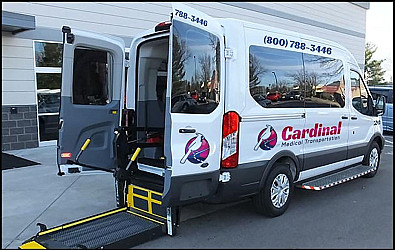
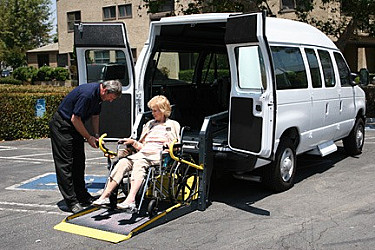
NEMT vehicles are equipped and staffed to support ambulatory patients, wheelchair users, and individuals with limited mobility, providing safe, door-to-door service.
Key features of NEMT:
-
Trained drivers familiar with medical facilities
-
Assistance entering and exiting the vehicle
-
Wheelchair-accessible vans with ADA-compliant lifts
-
Space for caregivers or family members
-
Scheduled, reliable, and punctual service
-
Insurance-accepted and broker-approved options in many cases
How NEMT Differs from Ambulance Services
Ambulance Services
Ambulances are designed for medical emergencies and are staffed by EMTs or paramedics. They are appropriate when a patient requires:
-
Immediate medical intervention
-
Monitoring during transport
-
Life-saving equipment or medication
-
Transport after a serious accident or medical crisis
NEMT vs. Ambulance
| Factor | NEMT | Ambulance |
|---|---|---|
| Emergency care | ❌ No | ✅ Yes |
| Medical staff onboard | ❌ No | ✅ Yes |
| Cost | Lower | Very high |
| Intended use | Routine medical transport | Emergencies only |
| Comfort & scheduling | High | Limited |
Bottom line:
If there is no emergency or need for medical care during transport, an ambulance is unnecessary and extremely expensive. NEMT is the appropriate and cost-effective choice.
NEMT vs. Rideshare (Uber, Lyft)
Rideshare services are designed for general transportation, not medical needs.
Limitations of Rideshare for Medical Transport
-
Drivers are not trained to assist patients
-
No guarantee of wheelchair-accessible vehicles
-
Drivers may cancel at the last minute
-
No wait-and-return or discharge coordination
-
Not appropriate for post-procedure or sedation requirements
-
Often not accepted by medical facilities for discharges
NEMT vs. Rideshare
| Factor | NEMT | Rideshare |
|---|---|---|
| Medical familiarity | ✅ Yes | ❌ No |
| Wheelchair access | ✅ Yes | Limited |
| Assistance | ✅ Yes | ❌ No |
| Reliability | High | Inconsistent |
| Facility acceptance | ✅ Yes | Often rejected |
Bottom line:
Rideshare may be fine for errands, but it is not reliable or safe for medical transportation, especially for seniors or patients with mobility needs.
NEMT vs. Taxi Services
Traditional taxis offer slightly more reliability than rideshare but still lack medical specialization.
Taxi Limitations
-
No medical training
-
Rarely wheelchair accessible
-
No patient assistance beyond curbside
-
Not suitable for post-procedure transport
-
No coordination with healthcare providers
NEMT vs. Taxi
| Factor | NEMT | Taxi |
|---|---|---|
| Door-to-door service | ✅ Yes | ❌ Often curb-to-curb |
| Wheelchair vans | ✅ Yes | Rare |
| Medical coordination | ✅ Yes | ❌ No |
| Professional standards | Medical-focused | General transport |
Bottom line:
Taxis are general transportation services. NEMT is purpose-built for patient safety, comfort, and compliance.
When Should You Choose NEMT?
NEMT is the best option when:
-
The patient is not experiencing a medical emergency
-
Mobility assistance is needed
-
A wheelchair or extra space is required
-
Reliability and punctuality matter
-
A caregiver or family member is traveling with the patient
-
The medical facility requires professional transport
-
The patient is recovering from a procedure or sedation
Why NEMT Is the Safest and Most Appropriate Choice
Choosing the wrong transportation can lead to:
-
Missed appointments
-
Unsafe transfers
-
Facility refusals at discharge
-
Unnecessary stress for patients and families
From Medical Transportation to Independent Mobility
For many patients, Non-Emergency Medical Transportation (NEMT) is a temporary solution during recovery. As individuals regain their mobility and return to their daily routines, many begin looking for a dependable personal vehicle that offers both reliability and affordability.
Having a reliable car makes it easier to attend follow-up appointments, return to work, pick up prescriptions, and maintain an independent lifestyle. If you're researching easy financing used cars, it's worth exploring dealerships that offer flexible financing programs, quality pre-owned vehicles, and options for buyers with different credit backgrounds. Choosing the right dealership can make the transition from medical transportation to personal mobility much smoother.
NEMT bridges the gap between emergency medical transport and everyday transportation, offering a safe, professional, and medically appropriate solution for non-emergency needs.
Need Reliable Non-Emergency Medical Transportation?
At Cardinal Transport LLC, we specialize in safe, punctual, and compassionate non-emergency medical transportation for ambulatory and wheelchair passengers. Our fleet includes spacious, ADA-compliant vehicles, and our trained drivers are committed to patient comfort and dignity.
📞 Call us today to schedule transportation or request a quote.
📅 Same-day and scheduled rides available.
Popular Blogs