09:00 - 19:00



-
 By: Admin
- 24 Dec 2025
Dialysis Transportation: Why It’s Special and How to Book It
For patients undergoing dialysis, transportation is not just a convenience—it is a critical part of ongoing medical care. Missing or delaying dialysis appointments can have serious health consequences, which is why dialysis transportation requires a higher level of reliability, coordination, and patient support than standard medical rides.
In this article, we explain why dialysis transportation is unique, how it differs from other transportation options, and how to book it safely and efficiently.
Why Dialysis Transportation Is Different
Dialysis patients typically require treatment three times per week, often on a fixed schedule. This makes dialysis transportation one of the most specialized and demanding forms of non-emergency medical transportation (NEMT).
1. Recurring, Time-Sensitive Appointments
Dialysis treatments are scheduled weeks or months in advance and must be attended consistently. Late arrivals or missed sessions can negatively impact patient health and treatment outcomes.
Professional dialysis transportation ensures:
-
On-time pickup and drop-off
-
Consistent scheduling
-
Familiarity with dialysis clinic routines
2. Post-Treatment Fatigue & Medical Needs
After dialysis, many patients experience:
-
Fatigue or dizziness
-
Weakness
-
Low blood pressure
This makes driving themselves or using rideshare services unsafe. Dialysis transportation providers are trained to assist patients respectfully and ensure a safe ride home after treatment.
3. Wheelchair & Mobility Support
Many dialysis patients:
-
Use wheelchairs or walkers
-
Have limited mobility
-
Require door-to-door assistance
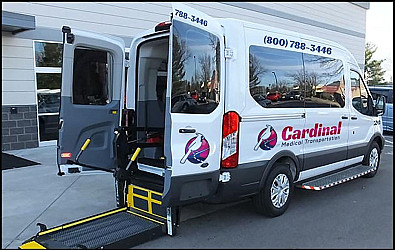
Dialysis transportation vehicles are typically ADA-compliant and equipped to safely accommodate wheelchairs, mobility devices, and caregivers.
4. Clinic Coordination & Reliability
Dialysis centers rely on transportation providers who:
-
Understand appointment flow
-
Follow clinic pickup/drop-off protocols
-
Maintain reliable attendance records
Unlike taxis or rideshare drivers, professional NEMT providers are accustomed to working directly with dialysis facilities.
Dialysis Transportation vs. Uber, Taxi, or Family Rides
While some patients consider alternatives, they often create risks:
| Option | Limitations |
|---|---|
| Uber / Lyft | Unreliable availability, no patient assistance, frequent cancellations |
| Taxi | Limited wheelchair access, curb-to-curb only |
| Family / Friends | Inconsistent availability, burnout over time |
| Professional NEMT | Scheduled, trained drivers, medical-appropriate service |
For long-term treatment like dialysis, professional transportation is the safest and most sustainable solution.
Who Needs Dialysis Transportation?
Dialysis transportation is ideal for:
-
Patients who do not drive
-
Individuals recovering after treatment
-
Wheelchair users
-
Seniors requiring assisted transport
-
Patients attending dialysis multiple times per week
-
Families seeking dependable, long-term support
How to Book Dialysis Transportation
Booking dialysis transportation is straightforward, but planning ahead is important.
Step 1: Confirm Your Dialysis Schedule
Know:
-
Clinic name and address
-
Treatment days and times
-
Expected duration of each session
Most dialysis transportation is arranged as recurring rides rather than one-time trips.
Step 2: Choose the Right Transportation Type
Let the provider know if the patient:
-
Is ambulatory or uses a wheelchair
-
Needs door-to-door assistance
-
Will have a caregiver riding along
This ensures the correct vehicle and driver are assigned.
Step 3: Book in Advance
For best availability:
-
Book at least 48 hours in advance
-
For recurring dialysis, set up a standing schedule
This guarantees consistency and reduces last-minute issues.
Step 4: Day-of Transportation
On the day of service:
-
The driver arrives at the scheduled pickup time
-
Assists the patient safely into the vehicle
-
Transports to the dialysis center
-
Coordinates return pickup after treatment
Why Choose Professional Dialysis Transportation?
At Cardinal Transport LLC, we understand the importance of dependable dialysis transportation. Our services are designed to support patients and families with:
-
Reliable, recurring scheduling
-
Wheelchair and ambulatory transportation
-
Door-to-door assistance
-
Trained, professional drivers
-
Comfortable, clean vehicles
-
Service throughout Apex, Cary, Raleigh, Wake County, and surrounding areas
We work to reduce stress, improve attendance, and support patient well-being—ride after ride.
Ready to Schedule Dialysis Transportation?
If you or a loved one needs safe, reliable dialysis transportation, we’re here to help.
📞 Call us today to discuss your schedule
📅 Request a free quote online
🔁 Ask about recurring dialysis transportation options
Consistent care starts with dependable transportation.
Popular Blogs